Installing a wall-mount toilet tank can be a great way to save space and give your bathroom a modern look. However, before you get started, it’s crucial to understand the installation requirements to ensure everything goes smoothly. Here, we explore the key aspects you need to consider to successfully install a wall-mount toilet tank.
Understanding Wall Structure and Support
A wall-mount toilet tank requires a sturdy wall to support its weight and the force exerted during use. It is essential to have a solid understanding of your wall structure, which is typically either drywall or concrete. For drywall installations, additional reinforcement with wooden or metal studs is necessary to ensure stability. For concrete walls, special anchors and bolts are required. Always examine your wall type and consult a professional if unsure about its capability to handle a wall-mounted toilet.
Moreover, the positioning of the tank is vital. The wall must be able to support not only the toilet tank but also the water supply lines and the waste outlet. Ensure that you have the correct mounting brackets suitable for your wall type to prevent any mishaps after installation.
Plumbing Considerations
Proper plumbing is crucial when installing a wall-mount toilet tank. It is important to have existing plumbing that can accommodate the new setup. The water inlet should be positioned correctly to allow easy connection to the tank. Consider the location of your current plumbing fixtures, as relocating them can be costly and time-consuming.
- Ensure that the water supply line is at the correct height to connect to the wall-mounted tank.
- Check that the waste pipe is aligned correctly and can be connected easily to the toilet.
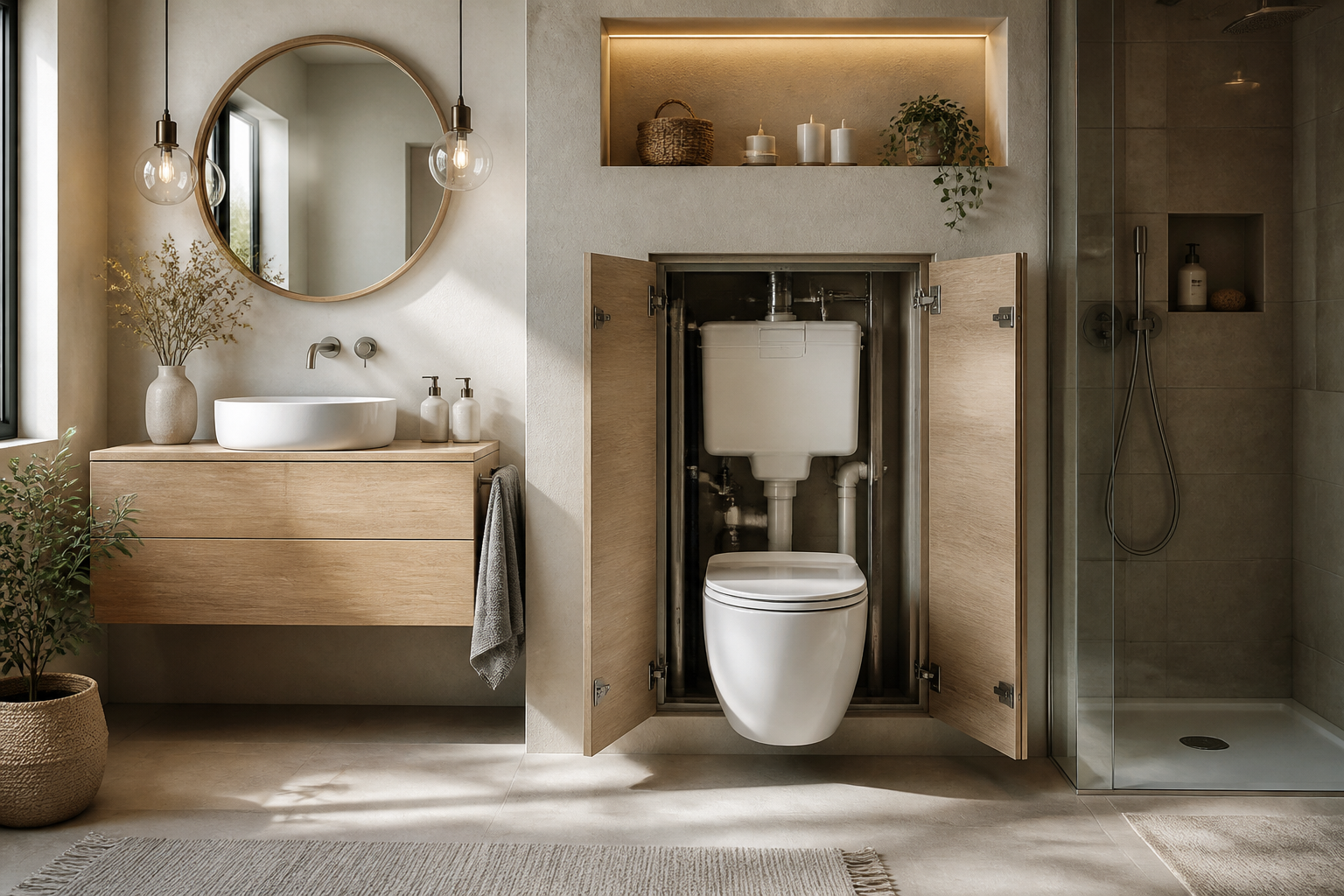
- Consider installing an access panel for easy future maintenance of the plumbing connections.
- Consult a professional plumber if you are uncertain about your plumbing capabilities or if significant modifications are needed.
Choosing the Right Mounting Frame
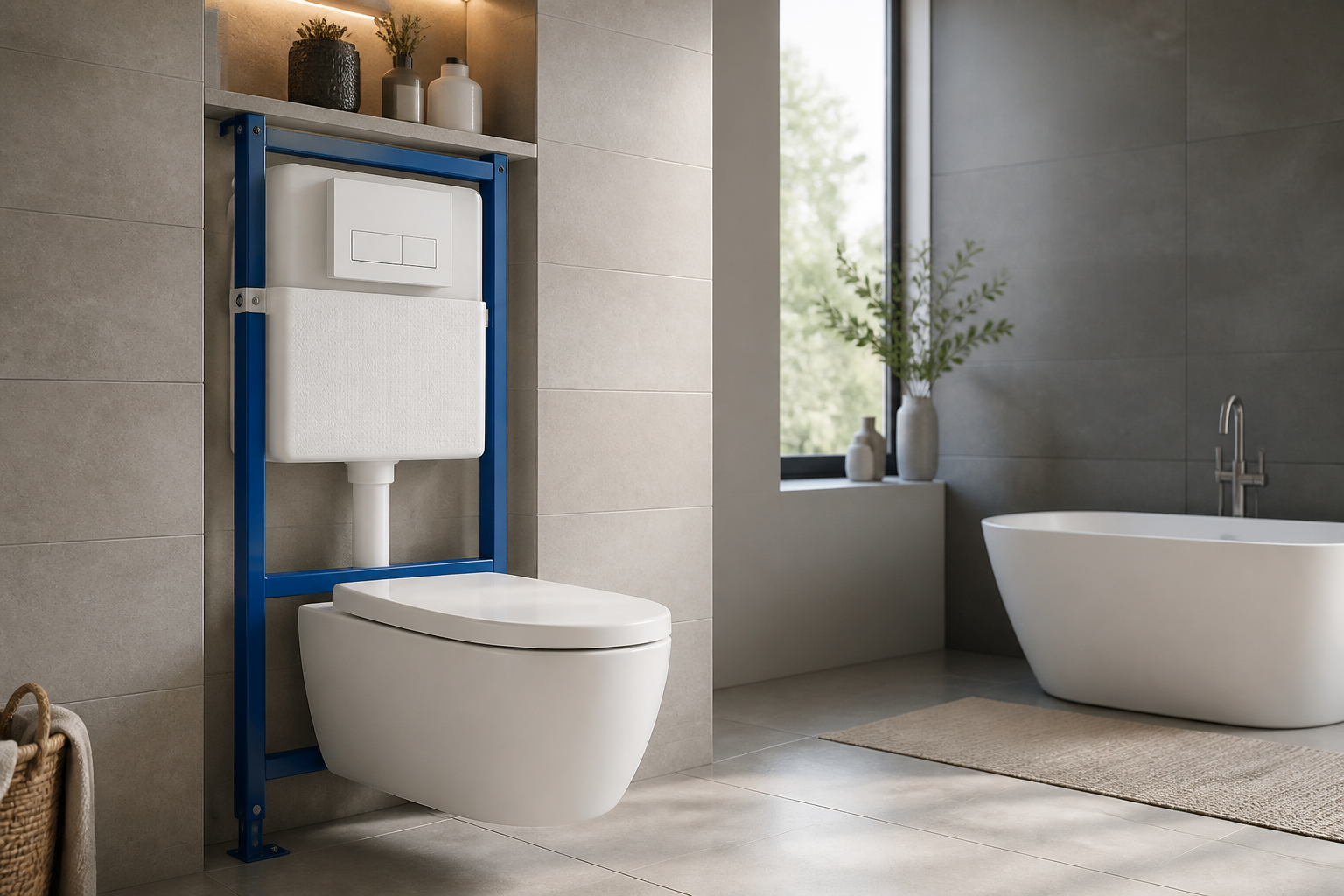
The mounting frame is a critical component of a wall-mount toilet installation. It needs to be strong enough to hold the weight of the toilet and the user. Look for frames that are specifically designed for wall-mounted toilets and ensure they fit within your wall cavity. The frame should be adjustable to accommodate different toilet bowl heights, providing comfort to users of varying sizes.
Additionally, verify that the frame includes all necessary hardware for installation. Quality frames often come with integrated tanks, reducing the complexity of separate installations. Carefully follow the manufacturer's instructions to properly secure the frame, ensuring the long-term durability of your toilet installation.
Height and Positioning
Deciding on the height of your wall-mounted toilet is an important consideration. Generally, standard toilet heights range from 15 to 17 inches from the floor, but wall-mounted options offer flexibility. Consider the comfort and accessibility for all users when determining the ideal height.
Avoid placing the toilet too close to other bathroom fixtures, allowing sufficient space for ease of use. Measure the distance from the wall to the nearest fixture, ensuring compliance with any local building codes or regulations. Proper positioning will enhance the overall functionality and comfort of your bathroom.
Ventilation and Condensation Issues
Wall-mount toilet tanks can sometimes lead to condensation issues, especially in poorly ventilated bathrooms. Proper ventilation is essential to prevent moisture buildup, which can cause mold and mildew. Consider installing an exhaust fan if one is not already present, and ensure it is powerful enough to handle the size of your bathroom.
In addition to ventilation, check the tank insulation. Some tanks come with built-in insulation to reduce condensation. If your tank isn't insulated, consider adding insulation to prevent any moisture problems that could damage your walls or floors over time.
Compliance with Local Codes
Before beginning the installation of a wall-mount toilet tank, it’s vital to ensure compliance with local plumbing and building codes. These codes vary by location and can dictate the specific requirements for plumbing connections, water efficiency, and installation methods.
Contact your local building authority to obtain the necessary permits and understand the regulations in place. This step helps avoid potential fines or the need to redo work that doesn't meet the required standards. Additionally, professional installers are usually familiar with these codes and can provide guidance to ensure everything is in compliance.