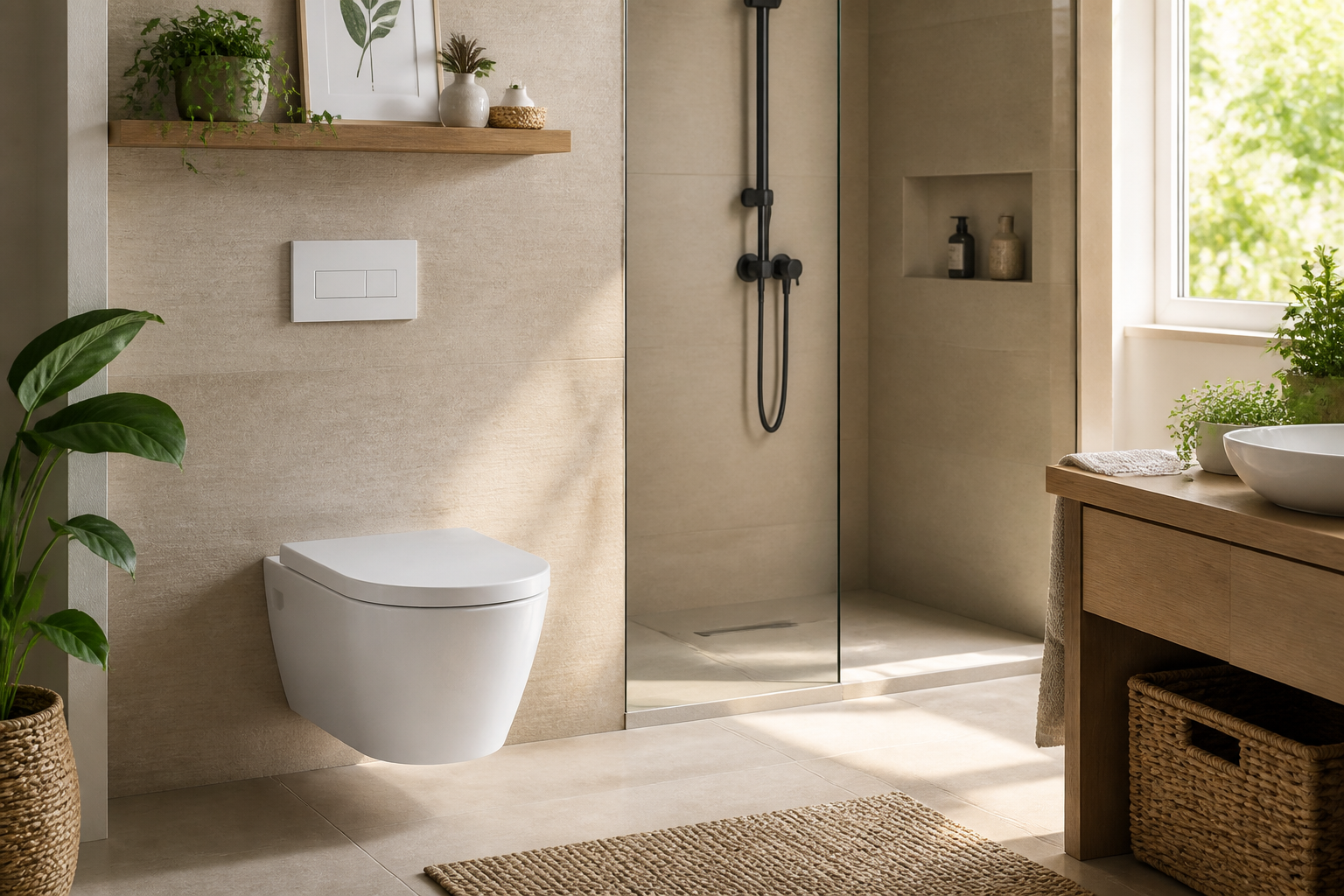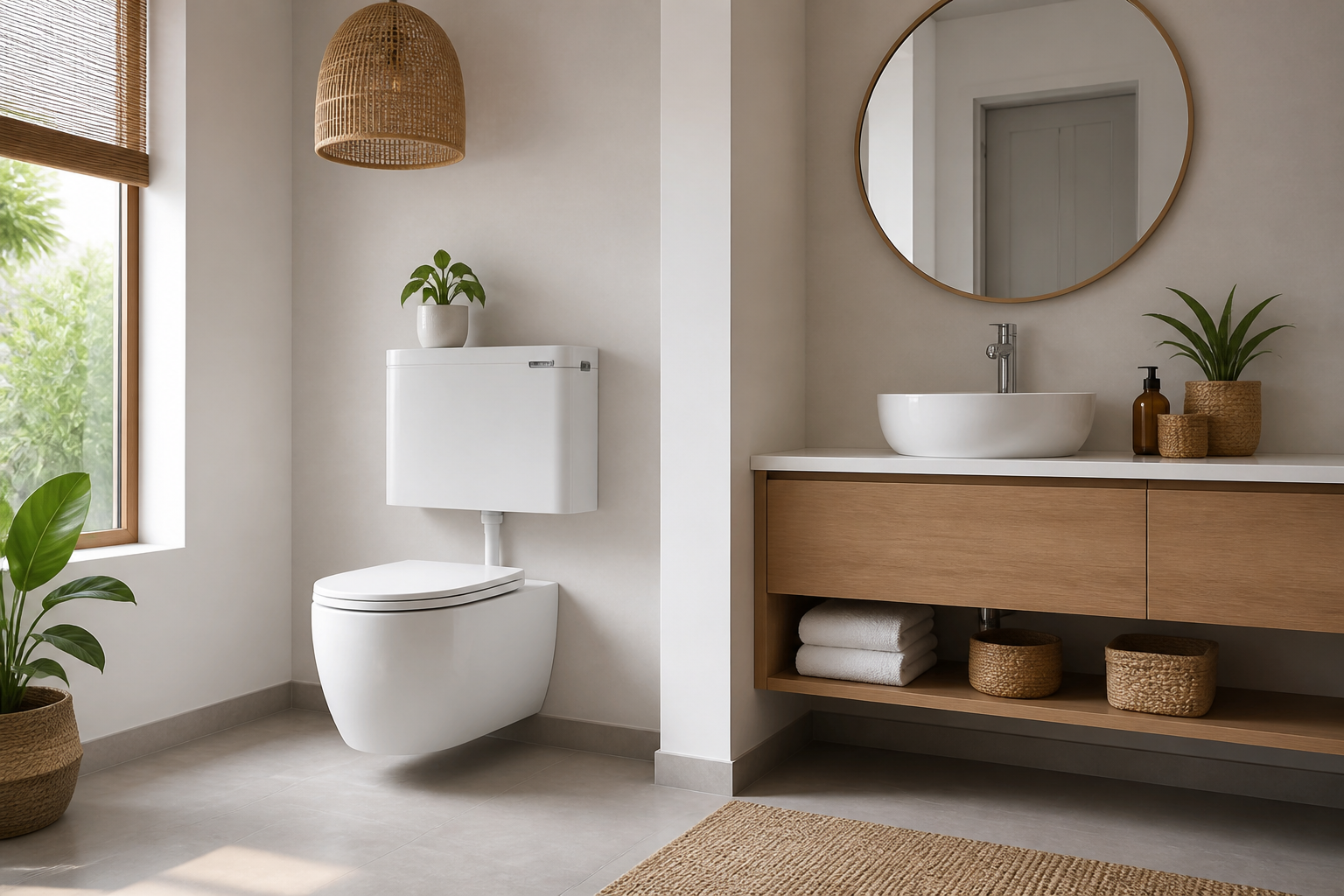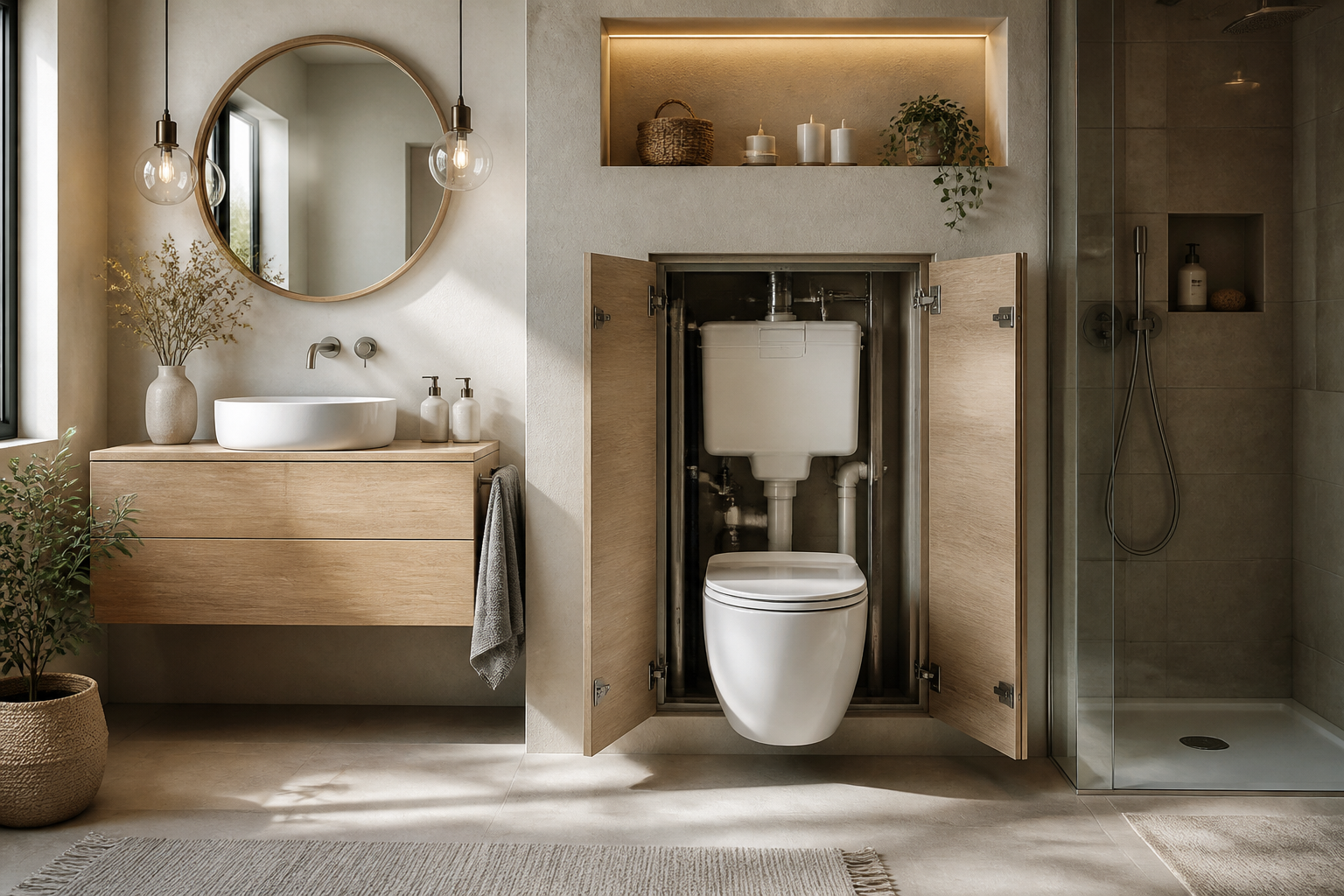
Concealed wall-mounted toilet tanks offer a sleek and modern look for bathrooms, but maintaining their functionality and ensuring easy accessibility can be challenging. These systems, while aesthetically pleasing, require thoughtful consideration to ensure they remain in top working order. In this article, we’ll cover practical advice on how to maintain and access these hidden tanks efficiently.
Understanding the Structure of Wall-Mounted Toilet Tanks
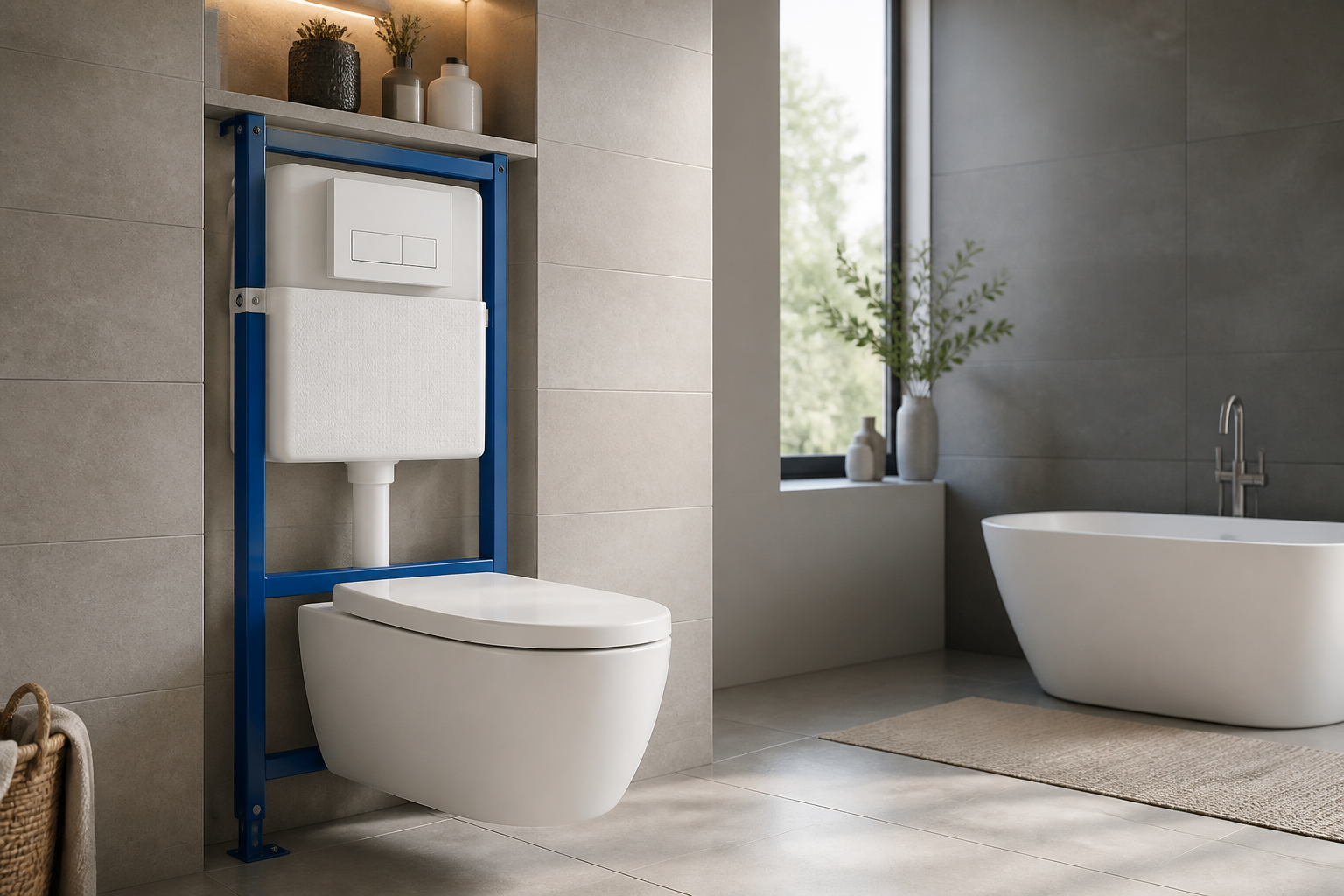
To effectively maintain a concealed wall-mounted toilet tank, it's essential to understand its basic structure. These tanks are typically installed behind the wall, with only the flush plate visible. The flush plate serves as the key access point for maintenance and repairs. Inside the tank, you'll find components similar to those in traditional toilets, including the fill valve, flush valve, and flush mechanism.
Knowing the layout and components of your specific model can significantly ease the maintenance process. Most manufacturers provide detailed diagrams and instructions in their manuals, which are invaluable resources. It's worth spending some time familiarizing yourself with these details to ensure that any issues can be quickly identified and resolved.
Regular Maintenance Tips
Regular maintenance of a concealed tank is crucial to prolong its life and ensure it functions correctly. One of the first steps is to perform a routine check of the flush mechanism and water flow. This can be done by simply observing the flush operation for any irregularities, such as incomplete flushes or loud noises.
Additionally, periodically clean the flush plate and the area around it to prevent dust and grime accumulation, which can affect functionality. Check for leaks by inspecting the wall area below the flush plate for any signs of moisture. Also, ensure that the water inlet valve is functioning correctly and that the water level is set according to the manufacturer's specifications to avoid overflow issues.
Accessing the Concealed Tank
Accessing the concealed tank might seem daunting, but it's relatively straightforward once you know where to look. The flush plate can often be removed by sliding it upwards or by pressing specific release buttons, depending on the model. Once removed, you should have direct access to the tank's internal components.
If you need to perform more extensive repairs, such as replacing the fill valve or flush valve, consult the manufacturer's instructions. Some models might require the removal of additional panels or screws. Keeping the manufacturer's manual handy is crucial, as it provides step-by-step guidance tailored to your specific model, ensuring you don't inadvertently damage any components during the process.
Troubleshooting Common Issues
Even with regular maintenance, issues can arise with concealed wall-mounted toilet tanks. One common problem is a running toilet, which can often be traced back to a faulty fill valve or flush valve. Check these valves for any visible wear and replace them if necessary.
Another frequent issue is water not filling the tank properly. This can be caused by a blocked inlet valve or improper float adjustment. Gently clean the inlet valve and adjust the float according to the manufacturer's guidelines. If the problem persists, it may be time to replace the faulty parts. Regularly inspecting these components can prevent minor issues from developing into major problems.
Considering Professional Help
While many maintenance tasks can be performed by the homeowner, there are times when professional help may be necessary. If you're experiencing persistent issues that you cannot resolve, calling a plumber experienced with concealed tank systems is advisable. They can diagnose problems quickly and have access to specialized tools and replacement components.
Professional plumbers can also provide advice on maintaining your specific model, potentially identifying issues that you might have overlooked. Investing in professional maintenance periodically can extend the lifespan of your toilet tank and ensure it operates efficiently.
Upgrading Your System
If you've had your concealed tank system for several years, you might consider upgrading it to a newer model. Advances in technology have made newer systems more efficient and easier to maintain. Features such as dual-flush options can help reduce water usage, while improved valve designs can enhance durability and reduce the likelihood of leaks.
When upgrading, ensure that the new system is compatible with your existing plumbing and wall structure. Consulting with a professional can help you choose the right model and ensure a smooth installation process. An upgrade not only improves the functionality and efficiency of your toilet system but can also enhance the overall aesthetic of your bathroom.